
What Is PRP/PRF Therapy — and Is It Worth It for Men and Women in Mesa Who Want Natural Skin Rejuvenation?
If you’ve been researching natural options for skin rejuvenation in Mesa and keep landing on PRP or PRF therapy, you’re not alone. These treatments have moved well beyond the sports medicine world into mainstream aesthetics — and for good reason. PRP (platelet-rich plasma) and PRF (platelet-rich fibrin) harness your own body’s healing biology to stimulate collagen, improve skin texture, reduce fine lines, and even support hair restoration. No foreign substances. No synthetic fillers. Just your own concentrated growth factors, redirected where you need them most. Here’s what these treatments actually involve, who tends to benefit, and what makes a real difference in how your results turn out.
PRP vs. PRF: What’s the Difference — and Does It Matter?
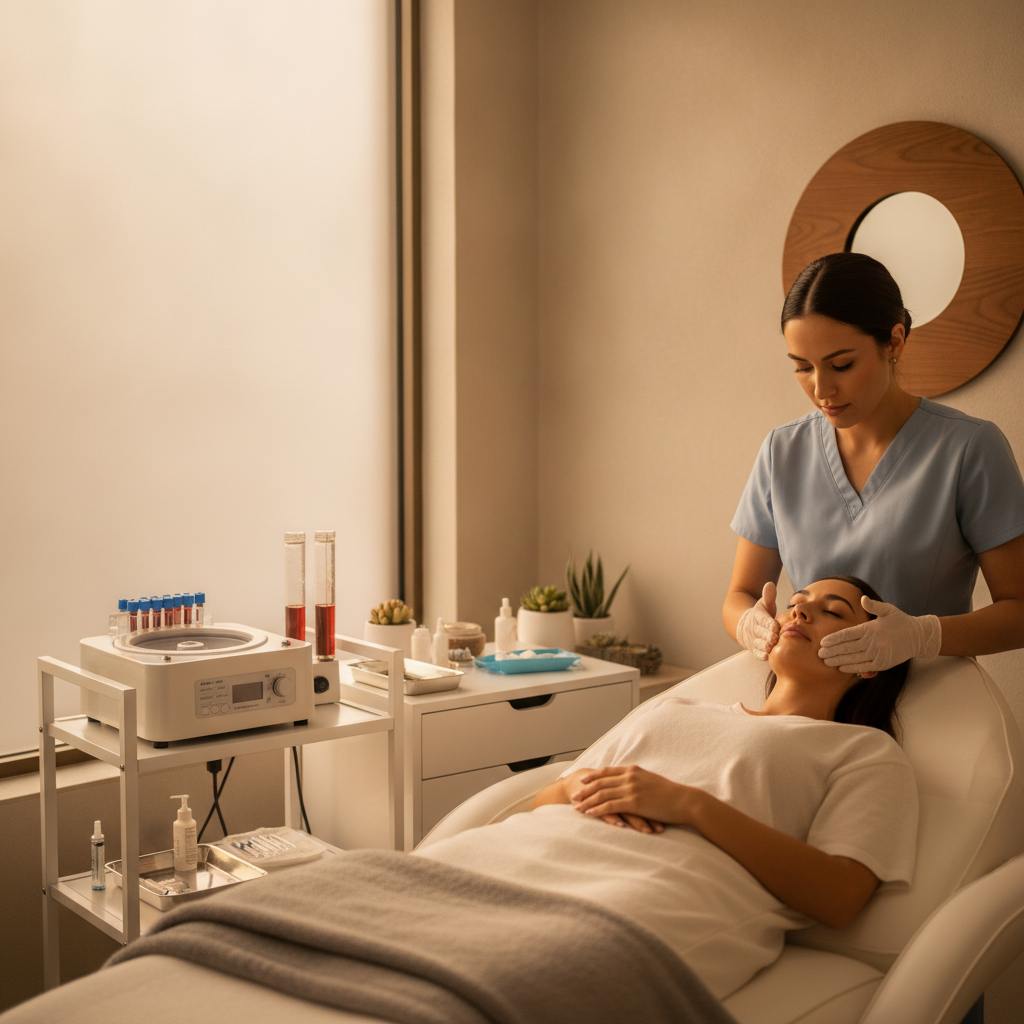
Both PRP and PRF start the same way: a small amount of your blood is drawn, then spun in a centrifuge to separate and concentrate the platelets — the components responsible for clotting and tissue repair. Where they differ is in the processing.
PRP (platelet-rich plasma) has been around longer and uses anticoagulants during processing, which speeds up the spin but results in a thinner, more liquid product. PRF (platelet-rich fibrin) is processed without anticoagulants at a slower spin speed, producing a denser, gel-like concentrate that also contains fibrin — a natural scaffolding protein that helps growth factors release more gradually into surrounding tissue.
In practical terms, many providers consider PRF to be a more refined evolution of PRP. The slower release of growth factors means your skin keeps receiving a collagen signal for longer after the treatment is done. That said, both have meaningful applications depending on your goals, and a good provider will walk you through which approach makes sense for your skin and the area being treated.
What Can PRP and PRF Actually Do for Your Skin?
This is where a lot of online content — and even some competitor medspa websites in the East Valley — gets vague. You’ll see phrases like “skin rejuvenation” without much explanation of what that looks like in real life. Here’s a more honest picture:
- Collagen stimulation: Growth factors in PRP and PRF signal your skin to produce more collagen, which is the protein responsible for firmness and elasticity. You won’t see this overnight — most clients notice gradual improvement over 4–8 weeks as new collagen matures.
- Texture and tone: Irregular texture, enlarged pores, and uneven pigmentation can all improve with a series of treatments, especially when PRP or PRF is combined with microneedling or laser.
- Fine lines and crepey skin: Areas with thin, delicate skin — around the eyes, lips, and neck — respond particularly well because the growth factors support tissue regeneration at a cellular level.
- Under-eye hollows and dark circles: PRF in particular has become a popular option for tear trough concerns in clients who aren’t ready for or interested in traditional filler in that area.
- Scalp and hair thinning: PRP and PRF injections into the scalp can help stimulate dormant hair follicles and reduce shedding — a growing application for both men and women experiencing early-to-moderate hair thinning.
It’s worth being direct about expectations: PRP and PRF produce real improvements for the right candidates, but they work gradually and work best as part of a broader treatment plan. If you’re looking for immediate dramatic change, a combination approach — pairing these therapies with RF microneedling or laser resurfacing — tends to deliver more noticeable results.
Who Is a Good Candidate in the Mesa Area?
One thing that’s genuinely underexplored on most local medspa websites is the candidacy question — who actually benefits from PRP or PRF, and who might be better served by something else. Here’s an honest breakdown:
You may be a strong candidate if you:
- Want natural-ingredient treatments without synthetic fillers or neurotoxins
- Are dealing with early signs of aging — fine lines, loss of glow, mild laxity — and want to get ahead of it
- Have skin that’s reactive or sensitive and hasn’t tolerated other treatments well
- Are interested in scalp treatments for hair thinning
- Want to enhance and prolong results from another treatment like microneedling or laser
You may need to explore other options if you:
- Have significant volume loss that needs structural support — in that case, fillers like Sculptra or Radiesse may be more appropriate
- Have active infections, blood disorders, or are on certain medications that affect platelet function
- Are expecting instant results — PRP and PRF require patience and often a series of sessions
A proper consultation with a licensed provider is the only way to know for certain. At a reputable medspa, that conversation should happen before any treatment is recommended.
How Many Sessions Do You Need — and What’s the Timeline?
Most clients in Mesa and the surrounding East Valley start with a series of two to four sessions spaced about four weeks apart. Maintenance treatments every six months to a year are common for sustained results. For scalp and hair-related applications, three to four initial sessions are typical, followed by periodic maintenance.
The good news for Arizona residents: there’s virtually no significant downtime. You may notice some redness or mild swelling for 24–48 hours after treatment, particularly if the PRP or PRF was applied alongside microneedling. Most people return to normal activities the same day or the next morning. Given how much time East Valley residents spend outdoors year-round, that low interruption factor matters.
Timing your treatments strategically does make a difference, however. Fall and winter in the Mesa area — when intense sun exposure is slightly reduced — can be a good time to complete your initial series, since you’ll want to protect newly treated skin from UV exposure during the healing window.
How PRP and PRF Compare to Other Natural-Looking Options
If you’re weighing PRP or PRF against other non-synthetic approaches, the comparison usually comes down to what you’re trying to accomplish. Neurotoxins like Botox or Dysport address dynamic wrinkles by relaxing muscle movement — they don’t stimulate collagen or change skin quality. Fillers restore volume and contour but also don’t improve the underlying skin. PRP and PRF work differently: they work with your skin biology, not over it.
That’s why many clients in Chandler, Gilbert, and Scottsdale who prioritize a natural approach — especially those who are cautious about starting injectables — find PRP and PRF to be a comfortable entry point into aesthetic treatment. And because the treatment uses your own blood, there’s no risk of allergic reaction to a foreign substance.
Learn more about PRP and PRF therapy at Az Laser Studio & Medspa and what a personalized treatment plan might include for your specific skin concerns.
What to Look for in a Provider — and Why It Matters Here
The East Valley has no shortage of medspa options, and PRP/PRF is one of those treatments where provider experience and equipment quality make a significant difference in outcomes. The centrifuge used, the processing protocol, and the injection technique all affect how concentrated and effective the final product is. Ask questions:
- What centrifuge system do you use, and what concentration do you target?
- Is the treatment performed by a licensed provider — an NP, RN, or physician?
- Will this be combined with another treatment like microneedling, and if so, how will that be sequenced?
- What should I realistically expect to see, and over what timeline?
A provider who answers these questions thoughtfully — rather than just presenting you with a package price — is a better indicator of quality than any promotional language on a website. At Az Laser Studio & Medspa, treatments are performed under physician oversight with a consultation-first approach. You can learn more about our medical team here.
Frequently Asked Questions About PRP and PRF in Mesa
Is PRP or PRF painful?
Most clients describe the blood draw and injection process as mild discomfort, similar to any other injection. A topical numbing cream is typically applied before treatment to keep things comfortable. When combined with microneedling, the numbing cream handles most of the sensation from that portion as well.
How soon will I see results?
Because PRP and PRF work by stimulating your body’s own collagen production, results develop gradually. Most clients begin noticing improvements in skin quality — tone, texture, glow — around four to six weeks after their first session, with continued improvement as the series progresses.
Can PRP or PRF be combined with other treatments I’m already doing?
Yes, and it’s often recommended. PRP and PRF pair particularly well with RF microneedling, laser resurfacing, and even certain filler protocols. Your provider can help sequence treatments appropriately so you’re not overlapping recovery windows and getting the most out of each session.
Is PRP or PRF covered by insurance?
Cosmetic PRP and PRF treatments are not covered by health insurance. Many medspas, including Az Laser Studio & Medspa, offer financing options through platforms like Cherry, which allows you to split the cost of treatment into manageable monthly payments.
How is PRF different from the “vampire facial” I’ve heard about?
The “vampire facial” term usually refers to PRP applied topically after microneedling — the red, dramatic-looking photos you may have seen online. PRF injections are a more refined approach that places concentrated growth factors directly into the tissue where they’re needed. Both are legitimate applications; they simply serve different purposes and produce different effects.
Ready to Find Out If PRP or PRF Is Right for You?
If you’re in Mesa, Tempe, Chandler, or anywhere across the East Valley and you’re curious whether PRP or PRF therapy fits into your skin goals, the best next step is a conversation with a knowledgeable provider — not a quiz or a package purchase. At Az Laser Studio & Medspa, we start every new client with a thorough consultation to understand your skin, your goals, and your timeline before recommending anything.
Request your free consultation today and let’s talk through what natural rejuvenation could look like for you.